The IDEA Toolkit
Citizens aren't disengaged because they're apathetic. They're frustrated. Traditional town halls and other engagement methods often reward the loudest voices rather than the most representative ones. The result can be polarization, distrust, and policymaking built on incomplete public input.
The IDEA Toolkit offers two evidence-based approaches to public engagement: Deliberative Town Halls and Citizens’ Assemblies. Both are designed to help public officials hear from a broader range of citizens and bring informed, representative public input into decision-making.
Deliberative Town Halls
Deliberative Town Halls are IDEA’s flagship innovation for reconnecting representatives with their constituents. They can be used at different stages of the policymaking process, from identifying priorities and considering policy options to gathering public feedback on decisions already made.
Each event brings together a representative group of constituents for a focused conversation on a single issue. Participants receive nonpartisan background information in advance, a neutral moderator guides the discussion, and the elected official responds directly to constituents in real time.
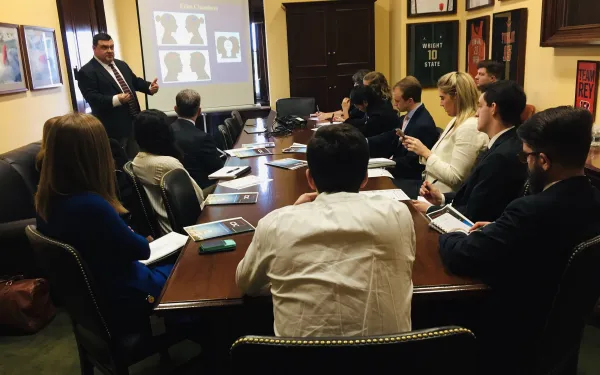
Deliberative Town Halls
Deliberative Town Halls reach beyond the people who already show up. Random recruitment brings in citizens who are less politically engaged. Nonpartisan briefings and neutral moderation move the conversation past talking points. IDEA's research shows that participation increases trust in and approval of the officials who show up to listen, and that participants become more likely to vote and discuss politics afterward.

Citizens' Assembly
Citizens' Assemblies give a representative cross-section of residents the time, information, and support to work through a difficult public question together. Members are chosen by democratic lottery so the room reflects the wider community. They meet over several sessions, hear balanced information and opposing views, and reason through the issue with independent facilitation. What comes out is a set of considered recommendations, with a clear process for decision-makers to receive and respond to them.
Deliberative Town Halls
Deliberative Town Halls reach beyond the people who already show up. Random recruitment brings in citizens who are less politically engaged. Nonpartisan briefings and neutral moderation move the conversation past talking points. IDEA's research shows that participation increases trust in and approval of the officials who show up to listen, and that participants become more likely to vote and discuss politics afterward.
Citizens' Assembly
Citizens' Assemblies give a representative cross-section of residents the time, information, and support to work through a difficult public question together. Members are chosen by democratic lottery so the room reflects the wider community. They meet over several sessions, hear balanced information and opposing views, and reason through the issue with independent facilitation. What comes out is a set of considered recommendations, with a clear process for decision-makers to receive and respond to them.
Americans want a real conversation, not just more communication
IDEA’s latest research suggests that Americans have not given up on engaging with government. They want opportunities that feel authentic, meaningful, and genuinely two-way. In a national survey, 70% of Americans said they would be willing to engage more directly with their elected officials when those opportunities feel meaningful.
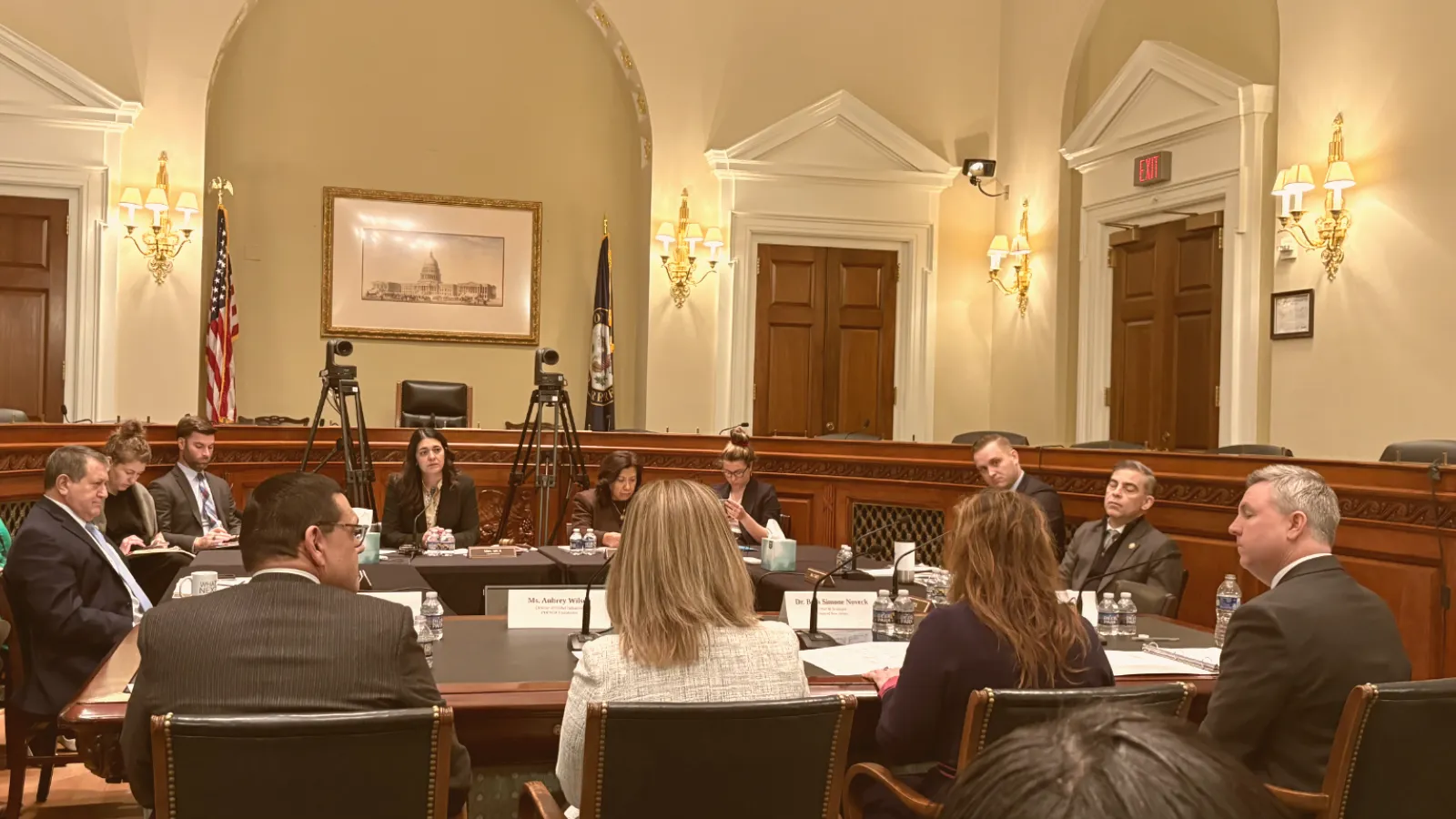
Dr. Michael Neblo brought those findings before Congress, continuing years of IDEA’s work with Congress on how to make constituent engagement more representative, substantive, and responsive.
Watch:
2025 — Dr. Neblo’s testimony on what Americans want from constituent engagement
2019 — Dr. Neblo’s testimony on improving constituent engagement and Deliberative Town Halls
Read: Americans Want Real Conversation, Not Just More Communication