Deliberative Town Halls and Development Priorities in Malawi
What does it look like when the First and Second Deputy Speakers of a national parliament open their doors to a new kind of democratic experiment?
Next month, Jack Fernandes will travel to Malawi to launch a groundbreaking study on deliberative democracy and climate resilience. The project, titled "Deliberative Town Halls and Development Priorities in the Era of Climate Change," is led by OSU PhD candidate Jack Fernandes with support from IDEA's team.
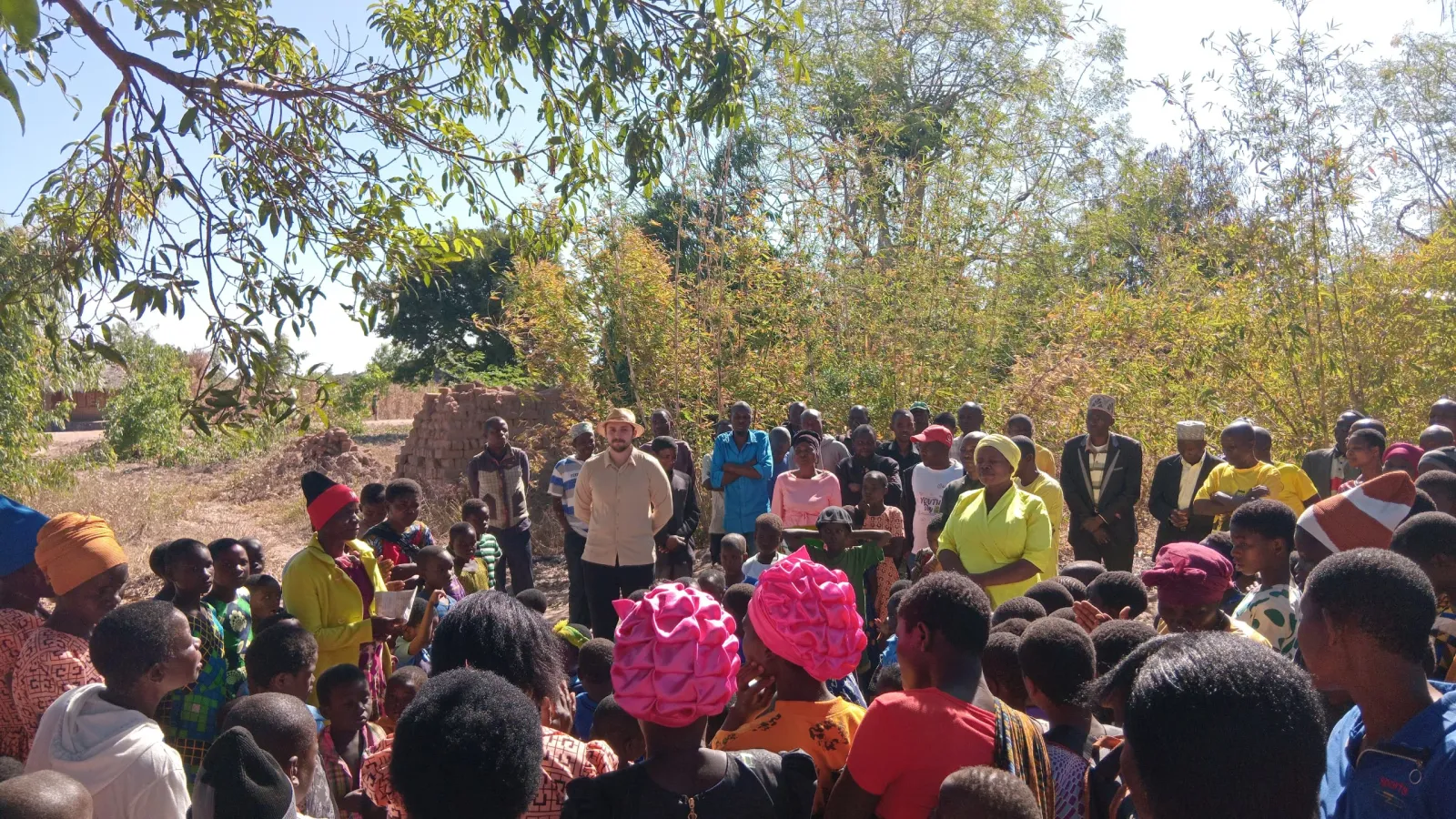
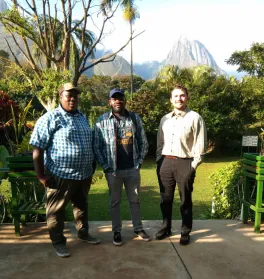
The study will take place in two constituencies whose representatives happen to hold two of the most senior positions in Malawi's Parliament. Hon. Victor Musowa, MP for Mulanje Bale, was recently elected First Deputy Speaker of the National Assembly. Hon. Esther Jolobala, MP for Machinga East, was elected Second Deputy Speaker. Both will host deliberative town halls with their constituents as part of the study. Jolobala is also the first woman ever elected to represent Machinga East and serves on Parliament's Natural Resources and Climate Change Committee, a background that speaks directly to the heart of this research.
Jack recently visited both constituencies and met with each MP to walk through the areas where the town halls will be held and set goals for the study. The photos from those visits capture the beginning of a partnership that we believe could reshape how communities across Malawi think about development.
The study focuses on how Malawians prioritize development goals. In Malawi, roughly 80 percent of the population depends on subsistence agriculture. Floods and droughts regularly destroy roads, bridges, and crops, and the pressure on MPs to deliver quick, visible results through constituency development funds often means that less durable projects win out over long-term investments. A gravel road might be built one year and washed away the next. The cycle repeats.
This study asks whether bringing Village Development Committee members into structured, facilitated deliberation with their MPs can shift priorities toward more resilient infrastructure and needs-based allocation. The team will survey approximately 300 VDC members across 300 villages, randomly assign half to participate in deliberative town halls, and measure how the experience shapes their development priorities.
All fieldwork, including the Deliberative Town Halls, will take place in March and April.
Having both Deputy Speakers of Parliament as partners in this research sends a powerful signal about the seriousness of democratic innovation in Malawi. We will share more updates from the field soon.
Follow IDEA on social media to stay connected with this project and all of our work:
- Facebook: facebook.com/IDEAatOhioState
- Instagram: @idea_at_ohiostate
- LinkedIn: linkedin.com/company/institute-for-democratic-engagement-accountability